NextSite Demolition

York Region · Toronto · Extended coverage

Concrete & Driveway Removal

We break out and remove concrete across York Region, driveways, patios, walkways, slabs, and pool decks, with utility locates arranged, clean saw-cut edges, and every load sent for recycling.

WSIB

Clearance on request

$5M

Liability insured

Licensed

Ontario contractor

Swept-clean

Debris hauled same day

Concrete has a hard life in the GTA, freeze-thaw heaves it, road salt eats the surface, and once cracking starts it never goes backward. At some point patching is just paying twice, and removal is the honest fix. It’s also a job where the prep matters as much as the breaking: utility locates before anything moves, clean saw cuts against whatever stays, and every load going somewhere it should. Here’s what concrete removal and driveway demolition cost in York Region, and the straight answers to what people actually ask before booking.

Concrete removal cost in York Region: rates and lump sums

Exterior concrete removal, including driveways, patios and walkways, runs $2–$6 per square foot. In whole-project terms, a small patio or walkway typically costs $500–$1,500, a single-car driveway $1,500–$3,500, and interior slab work $4–$8 per square foot because of the equipment and dust-control requirements. Pool deck removal prices lower on this same scale when it is bundled with a full pool removal. See that page if the deck and pool are coming out together.

Cost factorEffect on price
ThicknessStandard GTA driveways are 4–5 inches; older or commercial pours can be 8+. Disposal is billed by weight, so thickness drives cost more than area.
ReinforcementRebar or wire mesh must be cut from the concrete, typically adding $1–$3 per square foot.
AccessMachine-accessible work is the low end of the range; rear yards reached through narrow gates move toward hand equipment and the top end.
Edges that staySaw-cutting clean lines against remaining concrete adds a step but protects what you’re keeping.
Disposal tonnageMore weight, more tipping cost, another reason thick slabs quote higher.

Every quote is a firm written total. You’ll never see an hourly rate or a post-job disposal surcharge. Get yours before you call around. It’s free, and it won’t move once the truck shows up.

Utility locates: the legally required first step

It’s the law in Ontario: no breaking ground without utility locates. Gas, hydro, water, and telecom lines can sit inches under a slab, especially where a driveway got poured over older service runs. We arrange locates on every job, no exceptions. They add a few days of lead time, so the right time to book concrete removal is a week or two before you need the space cleared, not the morning of, call now and we’ll get the request in.

How we remove concrete: the process step by step

  1. Locates ordered and confirmed. Nothing breaks until the ground is marked.
  2. Saw-cutting. Clean relief lines are cut wherever removal meets concrete that stays, garage slabs, shared walkways, city sidewalk.
  3. Breaking. A machine-mounted breaker where access allows; smaller equipment within a metre of foundations so vibration stays away from the house.
  4. Steel separation. Rebar and mesh are cut out and sent to metal recycling.
  5. Loading and haul-away. Rubble is loaded directly to the truck or bin, most driveways are broken and gone in one day.
  6. Base grading. The exposed sub-base is graded and left ready for the new pour, pavers, or topsoil.

Where the concrete goes: recycling, not landfill

Every load we haul goes to an aggregate recycler, where your old driveway gets crushed into road base and fill for the next project. It’s the right way to do it, and since recyclers charge less than landfill tipping, it keeps your disposal cost down too. Recycling is just how we operate, not a line you pay extra for.

Repair, overlay, or remove: an honest framework

  • Repair makes sense for isolated cracks and surface spalling on an otherwise sound, level slab.
  • Overlay (paving over) works only when the existing concrete is stable, drains correctly, and height clearance allows. It inherits any movement underneath.
  • Remove and repour is the right call when cracking is widespread, heaving returns every spring, or the slab has settled toward the house. As a rule of thumb, when more than a third of the surface needs work, removal wins on ten-year cost.

One case deserves prompt attention: a slab that has settled so it drains toward the house. The removal plan should correct the failed surface without assuming the replacement design or drainage approval.

Signs your concrete is past saving

  • Heaving that returns every spring despite grinding or patching
  • Cracks wide enough to catch a shoe, or slabs moving independently on either side of a crack
  • Widespread surface flaking (spalling), freeze-thaw damage is inside the pour
  • Water pooling against the house after rain

Concrete removal across York Region and Toronto

We quote driveways, patios, walkways, basement floors, garage slabs and pool decks across York Region and Toronto. The address, dimensions, thickness, reinforcement, access and required finish determine the equipment and disposal plan. Larger projects in extended markets are reviewed individually.
Recent work

Before & after

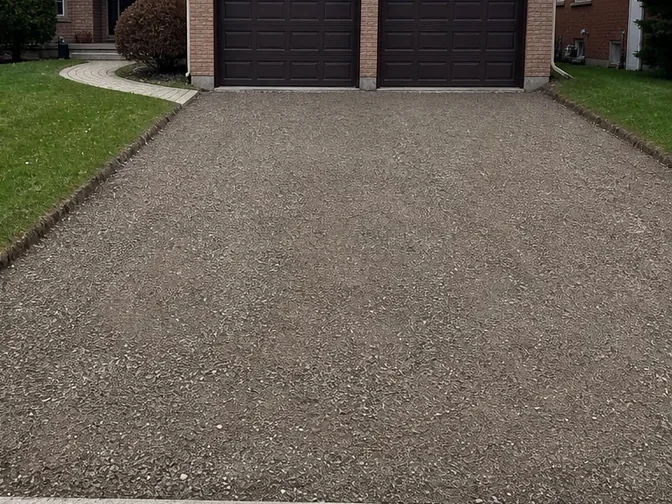
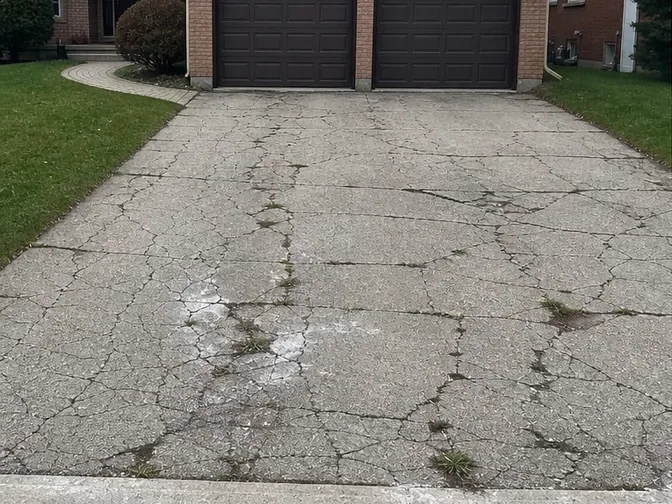
Drag the handle to compare, then open the project for the full field report.

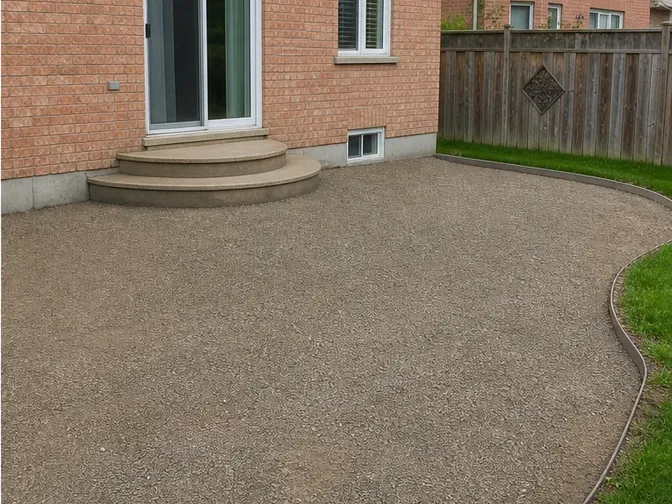
Concrete Driveway Removal in Richmond Hill after demolition and cleanup
Concrete Driveway Removal in Richmond Hill before work began
Before After Use the left and right arrow keys, or drag horizontally, to compare the two images. View project →
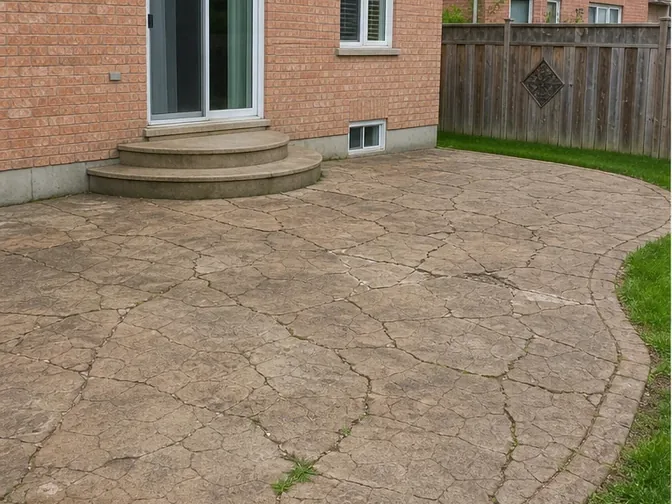
Stamped-Concrete Patio Removal in Markham after demolition and cleanup
Stamped-Concrete Patio Removal in Markham before work began
Before After Use the left and right arrow keys, or drag horizontally, to compare the two images. View project →
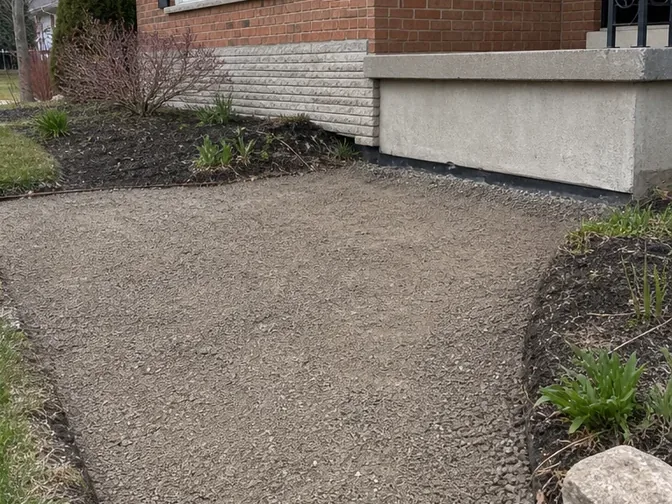
Front Walkway Removal in Thornhill after demolition and cleanup
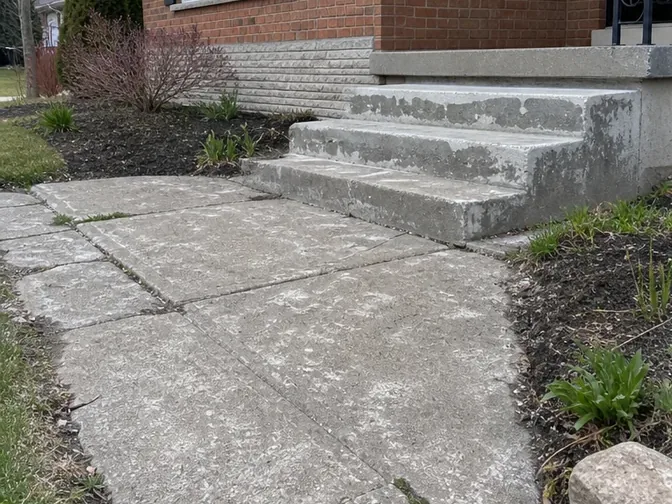
Front Walkway Removal in Thornhill before work began
Before After Use the left and right arrow keys, or drag horizontally, to compare the two images. View project →

How it works

Four steps, no surprises

  1. Walkthrough & quote

    We look at the job in person or from photos and give you a firm written price. No vague estimates that grow later.

  2. Prep & protection

    Floors, walls and pathways get protected. Utilities are confirmed off. Containment goes up where dust control matters.

  3. Demolition

    The crew tears out exactly what was scoped. Nothing more. Structural elements are never touched without an engineer’s direction.

  4. Haul-away & broom sweep

    All debris leaves in our bins the same day where possible. The space is swept clean and ready for the next trade.

Already have plans or a scope? We’ll price the actual work.

(905) 000-0000

Common questions

Concrete & Driveway Removal FAQs

How much does concrete removal cost?

Exterior concrete removal in York Region typically costs $2–$6 per square foot, covering breaking, loading, haul-away, and disposal. As lump sums, a small patio or walkway usually runs $500–$1,500 and a single-car driveway $1,500–$3,500. Interior slabs cost more, $4–$8 per square foot because they require smaller equipment, dust control, and hand carrying.

How much does it cost to remove a concrete driveway?

Concrete driveway removal for a single-car driveway typically costs $1,500–$3,500 in York Region; a double runs proportionally more by area at $2–$6 per square foot. Thickness is the main variable, standard driveways are 4–5 inches, but older pours can be much thicker, which increases both breaking time and disposal tonnage.

How much does it cost to remove a concrete patio?

A concrete patio removal typically costs $500–$1,500 as a lump sum, or $2–$5 per square foot for larger footprints, less than driveway removal at the same size, since patios are thinner and easier to reach. Walkways price the same way; a patio hand-poured tight to a deck or fence line runs toward the top of the range.

What factors affect concrete removal cost the most?

Five things, thickness (billed weight rises fast with every extra inch), rebar or wire mesh reinforcement (adds cutting labour of roughly $1–$3 per square foot), equipment access (machine-accessible areas cost less than hand-demolition zones), disposal tonnage, and whether clean saw-cut edges are needed against concrete that stays.

Do I need a permit to remove a driveway or patio?

Removing flat-work like a driveway, patio or walkway often doesn't require a demolition permit on its own, but curb, grading and structural changes can trigger municipal or conservation requirements. We can flag the common issues; the property owner must confirm requirements and file any application with the appropriate authority.

Can I remove concrete myself?

A thin, unreinforced pad can be a DIY job with a rented breaker and a strong back. The reasons most people hire it out are real, though, silica dust from breaking concrete is a genuine health hazard requiring proper protection, buried utilities can sit inches below a slab (locates are legally required before breaking ground in Ontario), and a driveway produces many tonnes of debris that still has to be hauled and tipped. By the time equipment and disposal are priced, professional removal is often close to the same cost.

How do you dispose of the concrete, does it get recycled?

Yes. Removed concrete goes to an aggregate recycler, where it's crushed and reused as road base and fill rather than landfilled. Recycling is our default on every job. It's the responsible route and it keeps disposal costs down, which shows up in your quote.

How long does concrete removal take?

Once utility locates are complete, most driveways are broken, loaded, and gone in a single day, with the base graded before we leave. Patios and walkways often take just a few hours; large pool decks and interior slabs run one to three days. Locates add a few days of lead time, so plan for one to two weeks door to door.

Can you remove only part of a slab?

Yes, partial removal is routine. We saw-cut a clean line wherever removal meets concrete that stays, so cracks can't travel into the section you're keeping. Common examples include trenching a basement floor for new plumbing, removing the damaged half of a double driveway, and taking a patio out up to the porch footing.

Will breaking concrete damage my house or landscaping nearby?

Not when it's done with the right equipment at the right distance. Anything within about a metre of a foundation is broken with smaller tools rather than dropped hammers, saw-cut relief lines keep vibration from travelling, and the access route is protected. We're fully insured and WSIB-compliant, and we walk the site with you before work starts.

Should I remove the old driveway or pave over it?

An overlay only makes sense when the existing slab is sound, drains properly, and has height clearance to spare. If the concrete is cracked through, heaving each spring, or settling toward the house, an overlay inherits every one of those problems. Removal and a rebuilt base cost more upfront and are almost always cheaper over ten years.

What's the difference between removing a basement floor and removing a foundation?

A basement floor is just the interior concrete slab, 4 to 6 inches thick, cut out with smaller equipment and dust control, priced as a standard concrete slab removal job. A foundation is the structural wall the house sits on; taking that out means the building is coming down too, which is a house demolition project, not concrete removal. Trenching or breaking out a basement floor during a renovation usually happens as part of an interior demolition scope, our house demolition and interior demolition pages cover those ranges.

Need concrete removal handled?

Call for a straight answer and a firm quote, usually same day.