
Residential demolition contractor
House Demolition in Toronto
We take houses down for teardown-rebuilds across the City of Toronto from our Thornhill base. Toronto lots are tight: mutual driveways, laneway garages, a neighbour's wall a metre away, and trees the City protects. We plan the access first, price it honestly, and hand your builder a clean, graded lot.
WSIB
Clearance on request
$5M
Liability insured
Licensed
Ontario contractor
Swept-clean
Debris hauled same day
Straight numbers
What house demolition costs in Toronto
A full teardown includes taking the structure down, removing the foundation, backfilling the hole and rough-grading the lot. These are planning ranges. What moves a price is the size of the house, the foundation, what the asbestos survey finds, and how easily a machine and trucks can reach the property.
Typical pricing
| Bungalow teardown (typical Toronto infill lot) | $15,000–$30,000 | Structure and foundation out, rough grade |
| Two-storey house demolition | $20,000–$45,000 | Includes foundation removal and backfill |
| Pre-demolition designated substances survey | $500–$1,500 | Required before permit in most municipalities |
| Foundation-only removal | $8,000–$15,000 | After fire damage or partial teardown |
Planning ranges, not a quote. Size, foundation, asbestos findings and lot access all move the number. A walkthrough produces a firm written price.
York Region lots often have easier machine access (wider frontages, longer driveways), so the same house can cost less to take down there than on a boxed-in Toronto street. We say so in the quote either way.
Know the process before you apply
Toronto demolition permits, explained
In Toronto, Toronto Building issues demolition permits. For a house that is being replaced, the City of Toronto residential demolition guide expects the new-house application to be submitted alongside the demolition application, so the City sees the whole plan at once.
Demolition without an approved replacement is treated differently. Under the City's demolition control rules, it can be referred to Community Council, which adds time and an uncertain outcome. If you are tearing down to rebuild, line the two applications up from the start.
Depending on the property, the file can also involve:
- Tree protection, for City trees or private trees above the protected size.
- A road-damage deposit, to cover the street and sidewalk during construction.
- An infill construction notice to the neighbours.
- Heritage or ravine review, on some properties.
- Disconnection of gas (Enbridge), electricity (Toronto Hydro) and water and sewer (Toronto Water).
The owner or builder confirms the current requirements with the City and files the application. We do not file permits. What we do is plan the demolition around the conditions your permit carries and give your designer and builder a clear written scope.
Why quotes differ lot to lot
Toronto lots: access sets the price
Mutual driveways
A shared drive between two houses is often the only way in. It limits the size of machine we can bring, and we work around the neighbour's cars, fence and access.
Semi-detached party walls
We demolish up to the wall you share and protect it, so the neighbouring home stays sealed and stable. The shared line is usually taken apart by hand, which adds time.
Laneway garages
A garage on a lane can be reached from the back, which helps. If the lane is narrow or lined with fences and poles, debris goes out in smaller loads.
Protected trees
Trees that stay get protection fencing, and that fencing decides where the machine can sit and swing. We plan the route before the job starts.
Arterial roads and streetcar lines
On a busy road or streetcar route, truck timing matters. We schedule loads around peak traffic and any rules for working near transit.
Bin and truck parking
If a bin or truck has to sit on the street, it may need a City parking permit. The owner or builder confirms that with the City, and we plan loading around it.
Where we work in Toronto
Six parts of the city, six different jobs
Old Toronto
The Annex, midtown, downtown
Narrow lots, semi-detached and row houses, and shared walls are the norm. Debris leaves in smaller loads, and protecting the neighbour is half the job.
East York
Post-war bungalows
Compact bungalows on short lots, often with mature trees close to the house. The route the machine takes in matters as much as the teardown itself.
North York
Bungalows and larger infill lots
A lot of 1950s and 60s bungalows being replaced with larger homes. Lots are often wider, which helps access.
Scarborough
Detached homes, ravine edges
Mostly detached houses with driveways and room to stage a machine. Ravine and tree rules can still change the plan on some streets.
Etobicoke
Mixed lot sizes
Older south-end bungalows sit next to larger west-end lots, so access varies a lot from one street to the next. Ravine and tree conditions come up often.
York (the former city)
Dense older housing
Older homes, rear additions and detached garages packed onto narrow properties. We confirm what stays and what goes before we price.
Recent work
House demolition projects
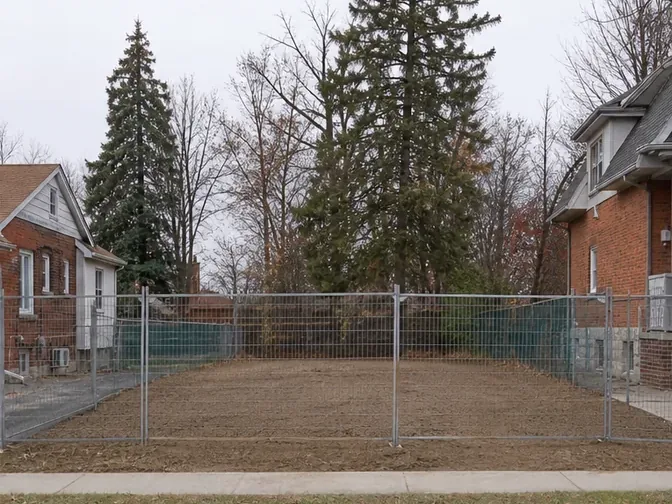
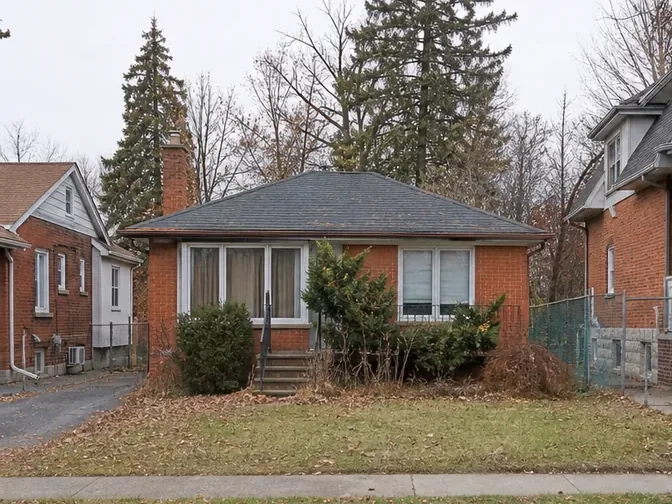
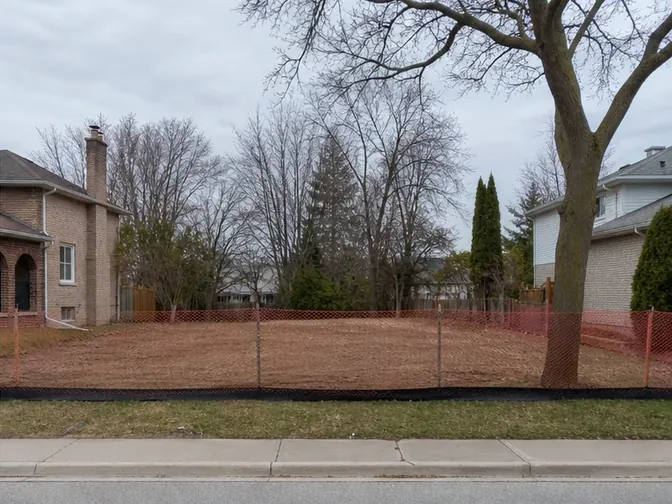
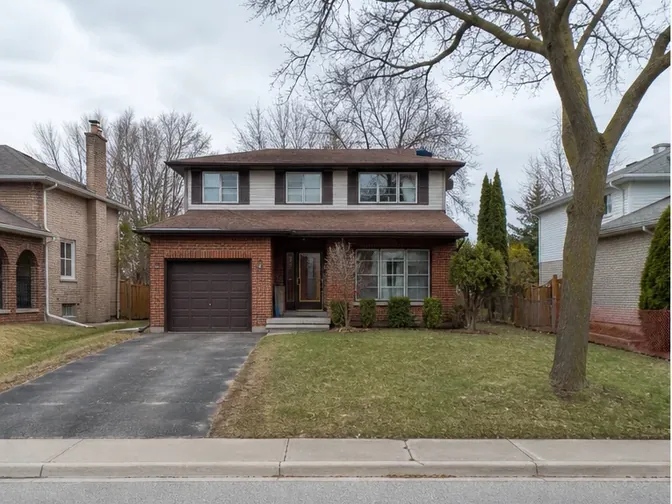
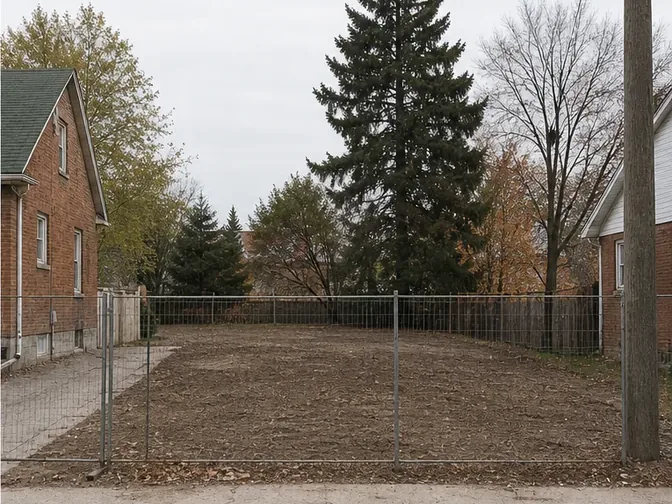
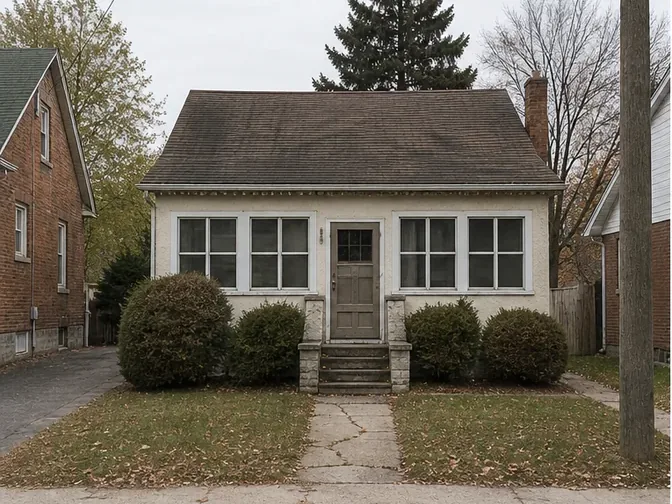
Drag the handle on any project to compare before and after.
Local answers
Toronto house demolition FAQs
How much does it cost to demolish a house in Toronto?
Most full house demolitions we plan for run $15,000–$45,000, covering the structure, foundation removal, backfill and rough grading. A bungalow on a typical infill lot is usually $15,000–$30,000; a two-storey house is usually $20,000–$45,000. Toronto lots tend to land toward the upper part of a range when the machine has to work from a narrow side drive or a laneway. A walkthrough gives you a firm written number.
Do I need a permit to demolish a house in Toronto?
Yes. Toronto Building issues demolition permits, and the work cannot start until the permit is in hand. For a house being replaced, the City expects the new-house application and the demolition application to be dealt with together. The owner or builder confirms the current requirements with the City and files the application. We plan the demolition around whatever conditions the permit carries.
Can you demolish one half of a semi-detached house?
Yes, and it is common in older parts of the city. We take the house down to the party wall (the wall you share with the neighbour), then protect and seal that wall so the other home stays dry and stable. It is slower than a detached teardown and often needs hand work along the shared line, so it is priced after a walkthrough. See our house demolition page for the general process.
How long does it take to demolish a house in Toronto?
The machines are on site for roughly two to five days, including foundation removal and backfill. The weeks come before that: the designated substances survey, any abatement, utility disconnections and the permit. Plan on several weeks of paperwork and booking for a short, loud stretch of demolition.
Do I need a designated substances survey?
Yes. Ontario Regulation 278/05 requires a survey for materials like asbestos before a building is demolished, and the City asks for it as part of the permit package. It is a report from a qualified consultant, typically $500–$1,500. If it finds asbestos, licensed abatement happens before we start, and we schedule around it.
Who disconnects the gas, hydro and water?
The property owner orders the disconnections, usually Enbridge for gas, Toronto Hydro for electricity, and Toronto Water for the water and sewer connections. The City generally wants confirmation before it issues the permit. Utilities set their own timelines, so this is the step to start first. We check that everything is shut off and capped before a machine touches the house.
What happens to trees on my Toronto lot?
Toronto protects many trees on both private and City property, so a tree next to your house may be off limits even if it is on your side of the line. Protection fencing around trees that stay is a common permit condition. Tell us early which trees are staying, because that decides where the machine can sit and how it moves around the lot.
What does the lot look like when you are done?
The house and foundation are gone, the hole is backfilled in compacted layers, the surface is rough-graded so water drains away, and the debris is hauled off. Your builder starts from clean, level ground with nothing buried that should not be. See construction waste removal for how we handle the material that leaves the site.
Tearing down a Toronto house?
Send the address and a few photos. We'll walk the lot and give you a firm written quote.
Want the general version? Our house demolition page covers the full process and timeline. For everything else we do in the city, see demolition in Toronto, and for what happens to the material, see construction waste removal.